How to Find University Admissions in Pakistan
By Wajahat Alam · Author and Editor
Compare Pakistani university programs using curriculum, recognition, cost, admission tests, facilities and graduate outcomes.
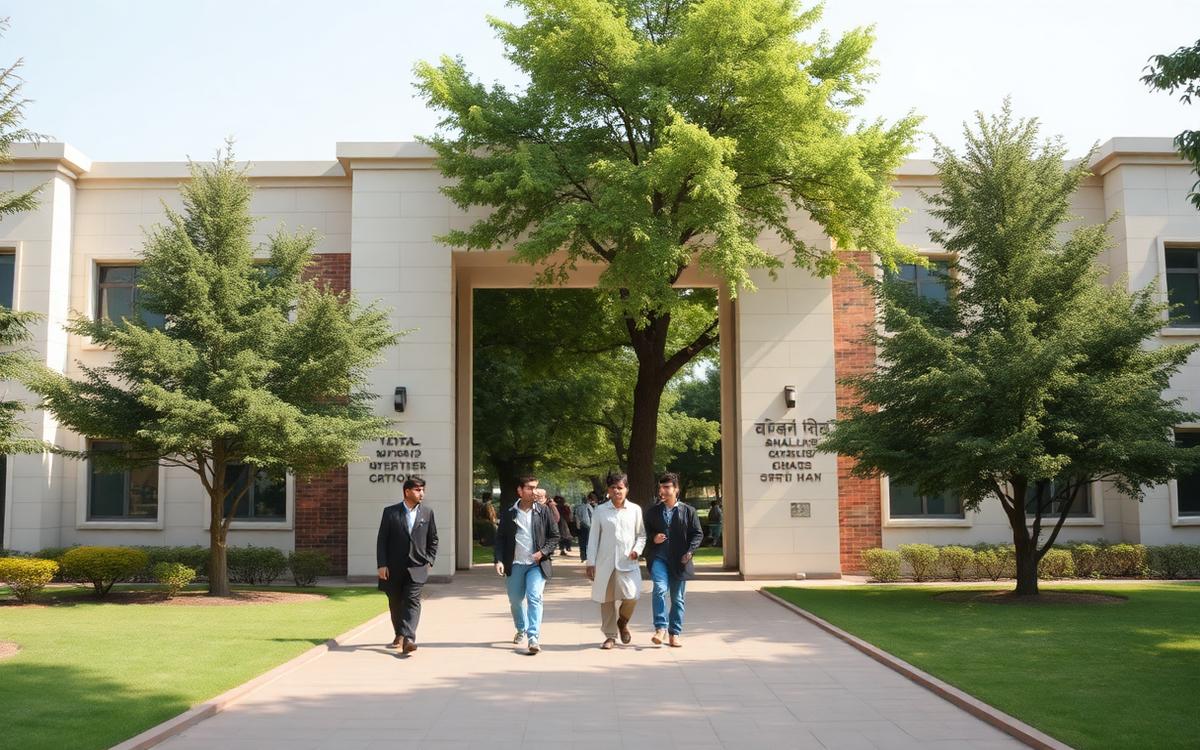
University admission in Pakistan runs on a calendar that most families discover only after they have missed part of it. Intermediate results arrive in the summer, entry-test registrations open before those results are announced, and several strong programmes close applications while candidates are still waiting for marksheets. This guide sets out the actual sequence, the tests that matter, and the checks that prevent a wasted year.
The admission calendar in practice
For a student finishing FSc or an equivalent in the summer, a realistic timeline looks like this. Entry-test registration for medical and engineering routes typically opens in spring. Most large public and private universities open Fall admissions between May and August, with merit lists published in August and September and classes starting in September or October. A smaller Spring intake exists at several private universities in January and February. Missing the Fall window usually costs a full academic year, so the registration dates matter more than the result dates.
Know which test your route requires
- Medical and dental (MBBS/BDS): The MDCAT, conducted under Pakistan Medical and Dental Council rules, with provincial admitting authorities such as UHS in Punjab and the relevant boards elsewhere. Admission is on an aggregate that weights matric, intermediate, and MDCAT scores - the weightings are set by the admitting authority, so read the current prospectus rather than assuming last year's formula.
- Engineering: The ECAT in Punjab through UET, the NET for NUST, the NED entry test in Karachi, and institution-specific tests elsewhere. Pakistan Engineering Council accreditation of the programme is the check that matters for later employment and licensing.
- General universities: NTS NAT is accepted by many public-sector universities; several institutions run their own tests instead.
- Selective private universities: LUMS uses the LUMS Common Admission Test alongside SAT scores; IBA Karachi and several others run their own aptitude tests.
- Business and postgraduate: GAT General through NTS for many MS and MPhil programmes; the HEC and the university's own criteria decide validity periods.
Verify the institution before you verify the programme
Two checks take ten minutes and prevent the most expensive mistake in Pakistani higher education. First, confirm the university is recognised by the Higher Education Commission on hec.gov.pk - HEC publishes a list of recognised universities and degree-awarding institutions, and separately a list of illegal or unrecognised institutions. Second, confirm the specific programme and campus are covered. Recognition is not always campus-wide: a sub-campus or an affiliated college may not carry the same status as the main campus, and professional programmes need their own council's accreditation - PEC for engineering, PM&DC for medicine, the Pakistan Bar Council for law, and the Pakistan Nursing and Midwifery Council for nursing.
Read the merit formula, not the merit list
A closing merit percentage from last year tells you very little on its own, because different universities compute aggregates differently. What you need from the prospectus is the exact weighting, the treatment of the intermediate part-one result if the full result is pending, whether there is negative marking in the test, and how quota seats are handled. Most public universities allocate seats across open merit and reserved categories - district or provincial quota, disabled persons, and in some cases self-finance or overseas seats - and the closing merit differs sharply between them. A candidate who is uncompetitive on open merit may be comfortably within range on a district quota seat.
Documents to assemble before applications open
- Matriculation and intermediate marksheets and certificates, plus provisional results if finals are pending
- CNIC or B-Form, and the father's or guardian's CNIC where the form asks for it
- Domicile certificate and PRC where a district quota is claimed - these can take weeks to obtain, so start early
- Equivalence certificate from IBCC for A-Level, O-Level, and foreign qualifications - this is the single most common cause of a late application
- Passport-size photographs to the exact specification requested
- Character certificate from the last institution attended
The IBCC equivalence step deserves emphasis. A-Level students cannot compute an aggregate or, in many cases, submit a complete application without it, and processing is not instant. Apply for equivalence as soon as results are issued.
Budget for the whole degree, not the first semester
Ask the admissions office for the full fee schedule: admission fee, per-semester tuition, security deposit, laboratory and examination charges, hostel and mess costs, and the university's stated policy on annual fee increases. Then check what financial support exists before you enrol, not after. Practical options include the HEC need-based scholarship programmes, the Punjab Educational Endowment Fund and its provincial equivalents, the Ehsaas Undergraduate Scholarship, LUMS's National Outreach Programme, and institution-specific need-based aid at IBA, GIKI, and others. Most of these have their own deadlines that run in parallel with admissions, not after them.
Build a portfolio of applications
Apply across three tiers: one or two ambitious choices, two or three realistic choices where your projected aggregate sits comfortably above last year's closing merit, and one safe choice you would genuinely attend. Track each application in a single sheet with the university, programme, portal link, login, fee paid and challan number, test date, document checklist, merit list dates, and the deposit deadline if selected. Merit lists move quickly - a seat offered on a second list may lapse within days if the fee is not deposited.
Sourcing note
Dates, weightings, and quota rules change every cycle and differ by province and institution. Use the university prospectus and the admitting authority's own website as the authority - HEC for recognition, the relevant professional council for accreditation, IBCC for equivalence. Where we list admissions on this site, we record the issuing institution and the date we last checked it so you can confirm at source before paying any fee.
Editorial note
This article was researched, written and reviewed by Wajahat Alam using Trakora's source-checking process. For application-specific questions, always verify the latest details through the official source linked in the post. Read our editorial and correction policy.
Weekly alerts
Get the latest jobs, scholarships and admissions delivered to your inbox.